By Eliza Hess
After a few rainy days here in Lodi, we start hearing the same question:
“Is this good for the grapes?”
The honest answer? It depends on when it falls.
And in this case… yes, we got lucky. Just barely.
We’re closing in on bloom, but it hasn’t started yet, which means this recent rain came at a good time for us.
Farming grapes isn’t just about sunshine and soil. It’s about timing. Water, in particular, can either set the stage for a beautiful vintage or throw a wrench into it.
Winter to Spring: Fill the Tank
In winter, vines are dormant. Quiet above ground, busy below it. This is when rain is gold. It soaks deep into the soil, building reserves the vine will rely on all season long.
In March, we prune, which wakes the vine up. From here on out, as long as there’s no frost risk, rain is a good thing. It helps the vine recharge and prepare for growth.
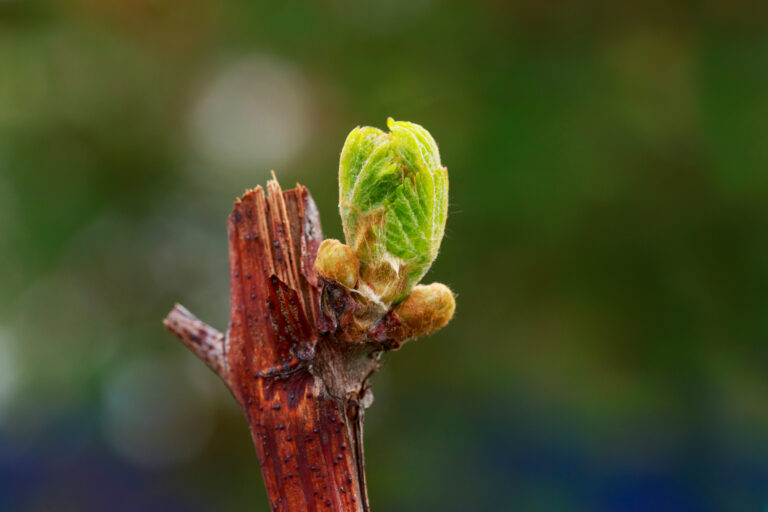
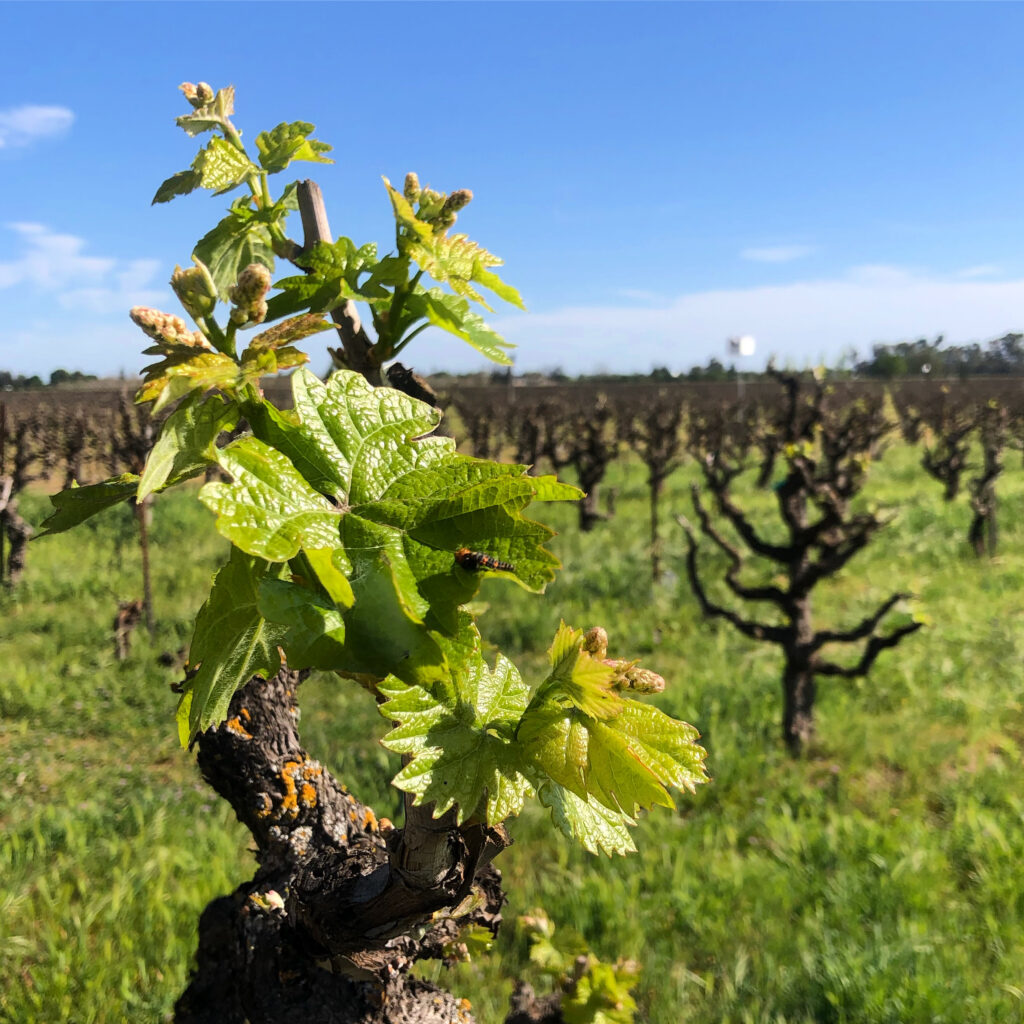
By April, we hit budbreak, the first tiny green shoots. (This year, it came a week early.
Bloom: A Narrow Window
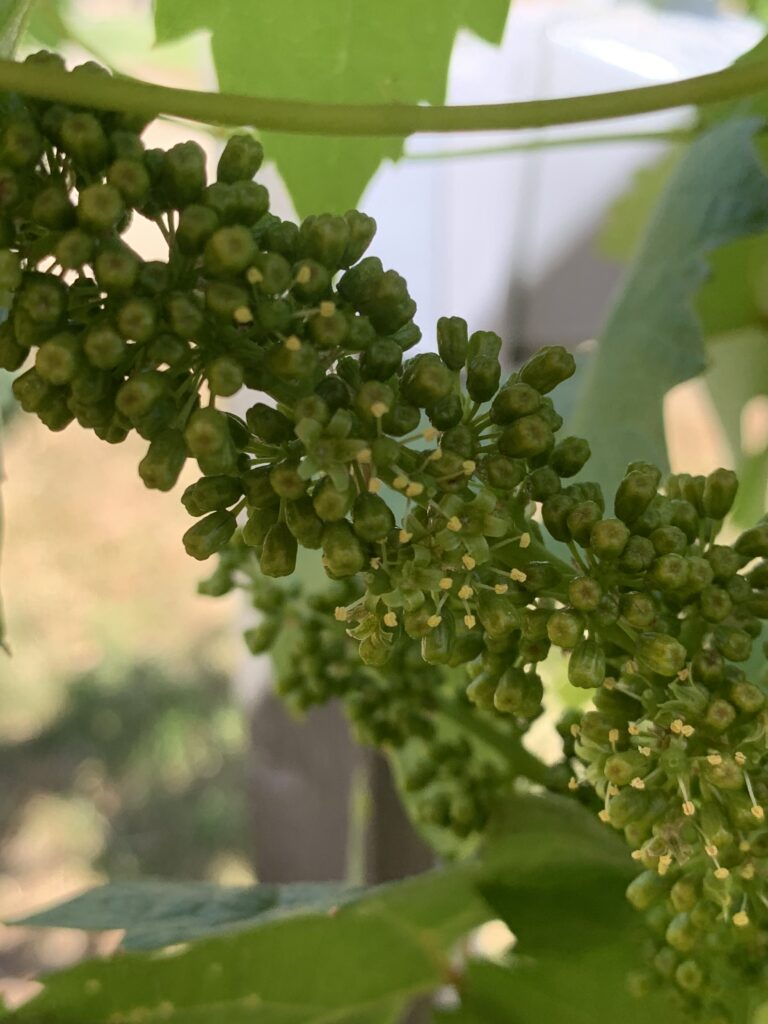
About a month later comes bloom, a short 5 to 10 day window when the vine flowers and pollination happens.
This is one of the only times we really don’t want rain. Too much moisture can interfere with pollination, meaning fewer grapes on the vine later.
Early Summer: Less Can Be More
After bloom, the rainy season fades and we take over with irrigation, carefully.
Grapevines don’t need much water, about 20 to 25 inches per year, and from fruit set to veraison, when grapes change color, we actually allow a little stress.
That’s intentional.
A slightly thirsty vine produces smaller berries with more concentrated flavor and aroma, exactly what we want in the glass.
Ripening and Restraint
Once grapes hit veraison and start producing sugar, things change.
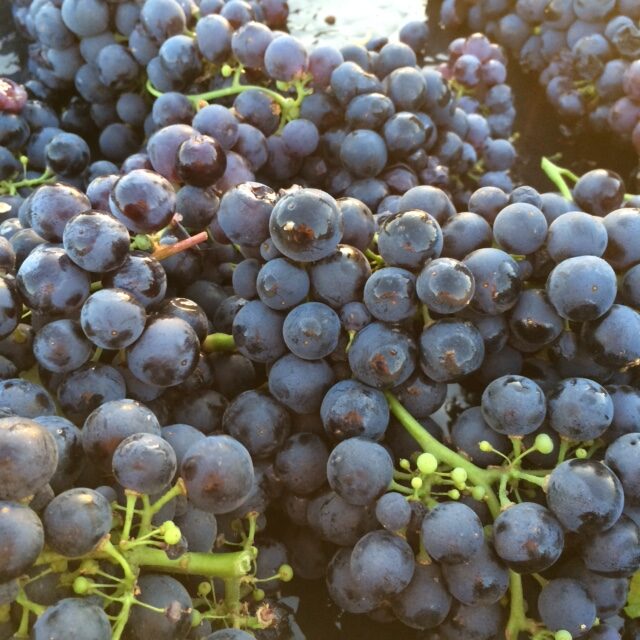
At this stage, any extra water goes straight into the fruit. And while nature wants big, juicy berries, great for spreading seeds, we’re aiming for balanced, concentrated grapes.
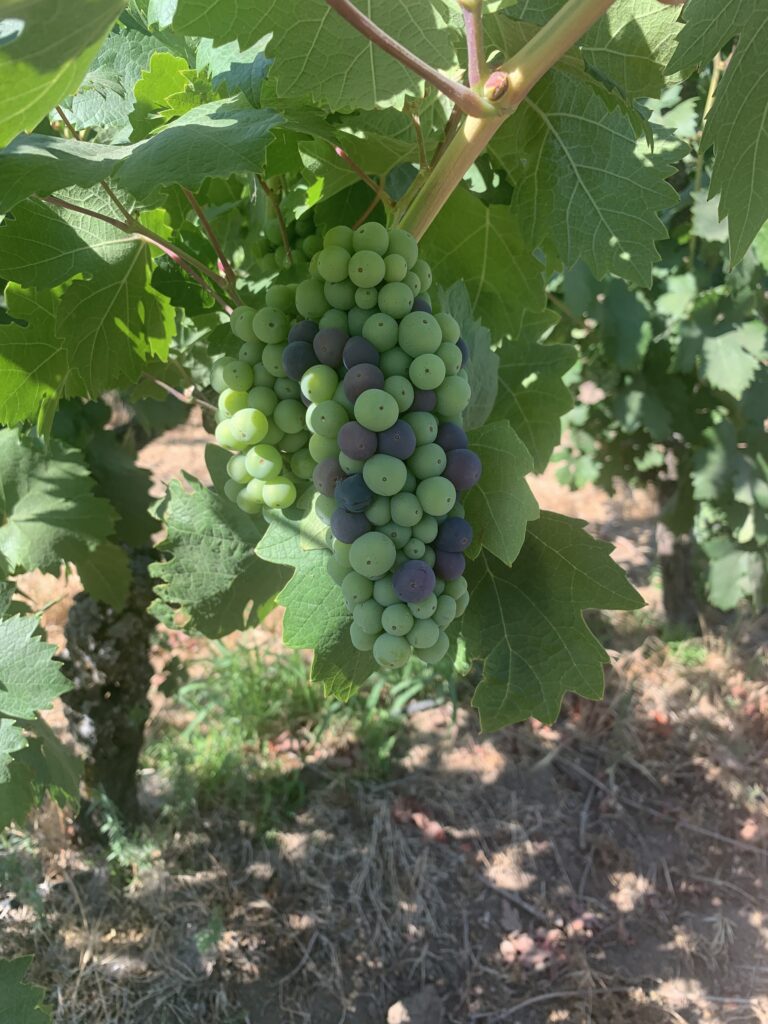
So we hold back, watering only if absolutely necessary to protect the vine.
Heat Waves and “Vine Sweat”
Now let’s talk about summer in the Central Valley.
When temperatures climb above 95°F, vines start to struggle. Above 104°F, damage becomes irreversible. Burned fruit, dead cells, no coming back.
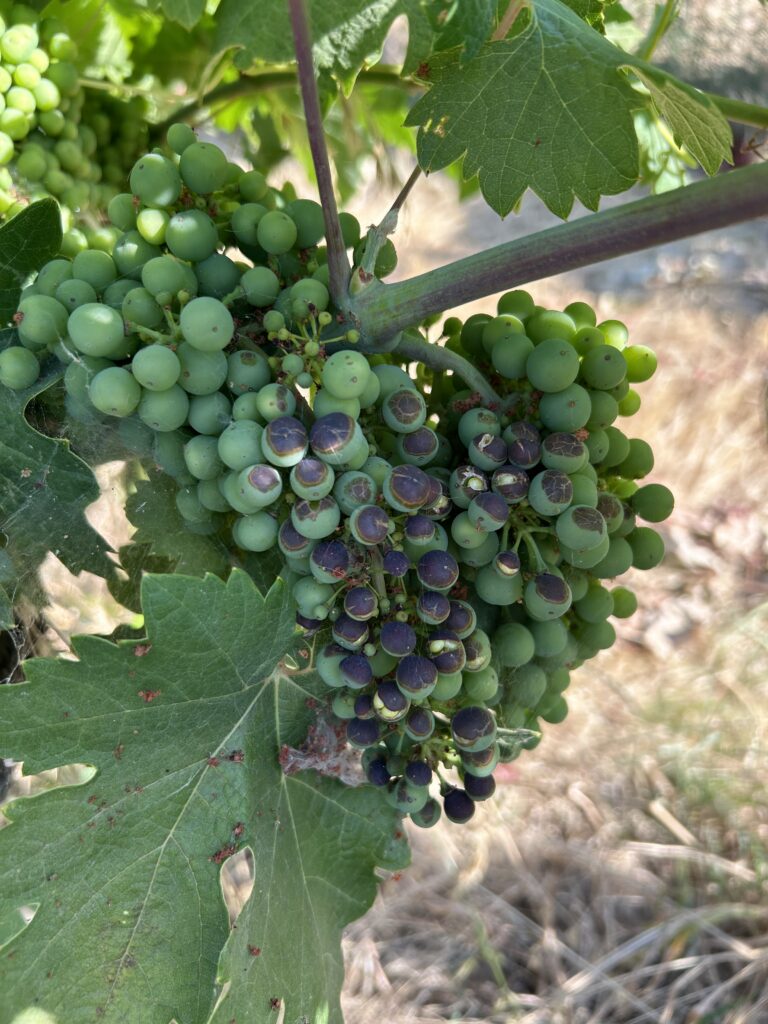
This is where water becomes protection.
Vines “sweat” just like we do.
They open tiny pores on their leaves, called stomata, and release water vapor to cool themselves. Just like we do when we’re trying to cool off on a hot day.
But if a vine is too dehydrated, it can’t sweat. It shuts those pores to conserve water, trapping heat and risking damage.
That’s like being stuck in extreme heat without the ability to sweat. Not a great situation.
So before a heat wave, we may water. Not to grow the fruit, but to make sure the vine is hydrated enough to regulate its temperature. Think of it as giving the vine a chance to put on its own sunscreen.
The Takeaway
Water isn’t just “good” or “bad” in a vineyard. It’s all about when and how much. Winter rains fill the tank, spring rains fuel growth, and summer irrigation becomes a careful balancing act between stress and survival.
We watch the weather constantly, adjusting as we go, because every decision shapes the vintage in your glass.
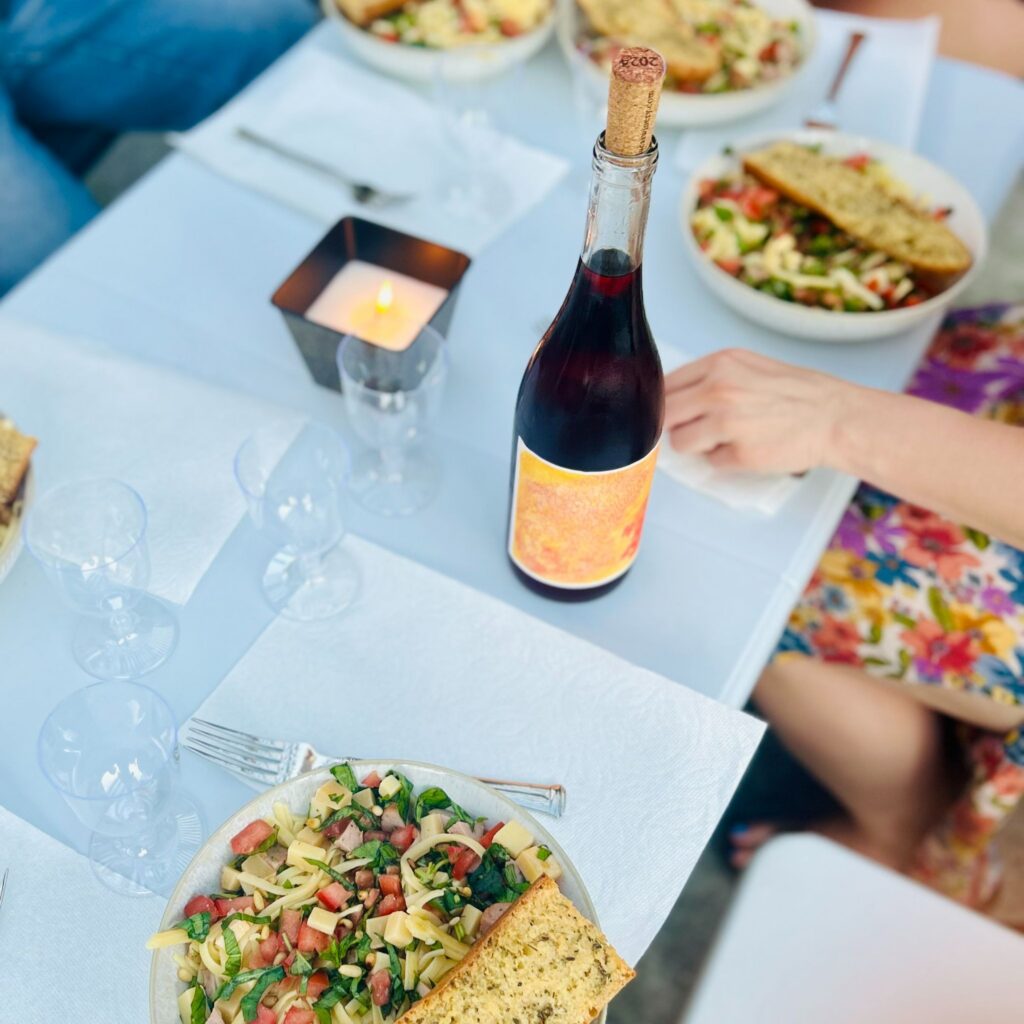
And if you think about it…
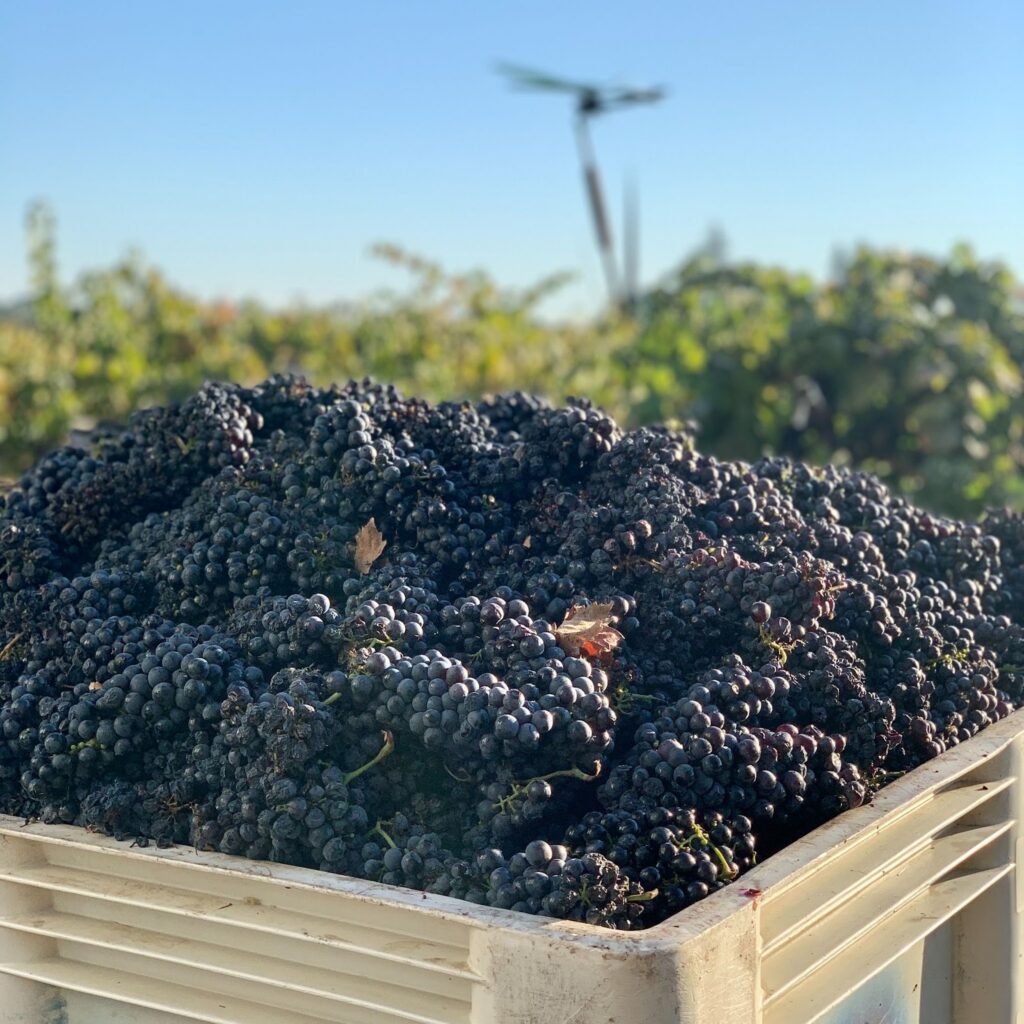
the best water you’ll ever drink is the kind that’s been filtered through the vine and into a bottle of wine. 🍷